With the rising awareness of environmental protection and the rapid expansion of industries such as automotive, construction, and manufacturing, rubber waste—especially waste tires—has become a growing challenge for both environmental agencies and recycling companies. As governments tighten regulations on landfill and incineration, efficient rubber recycling technology is gaining global attention. Among these technologies, industrial shredders are proving to be an essential part of the solution.
Rubber waste, including tires, conveyor belts, rubber sheets, and footwear waste, is known for being tough, elastic, and difficult to process. Traditional cutting or grinding methods often fail to meet industrial-scale demands. This is where heavy-duty shredders come into play.
Why Shredders Are Essential for Rubber Waste Processing
-
Powerful Cutting Capabilities
Industrial shredders can handle even the thickest rubber materials, including steel-belted tires. The robust design and high-torque, low-speed operation allow for efficient size reduction without overheating or damaging components. -
Improved Efficiency in Downstream Processes
By shredding rubber into manageable sizes, the material becomes easier to further granulate, separate, or refine. This improves the effectiveness of downstream equipment such as granulators, magnetic separators, or rubber reclaiming systems. -
Customized Solutions for Diverse Rubber Products
Shredders can be configured with different rotor designs, blades, and screen sizes depending on whether you are processing car tires, OTR tires, rubber mats, or production scraps. -
Environmentally Friendly and Compliant
Shredding reduces the volume of rubber waste, cutting transportation and storage costs. It also helps meet environmental regulations by enabling cleaner and safer recycling.
Applications of Rubber Shredders
-
Tire recycling plants
-
Rubber manufacturing waste processing
-
Sports field rubber granule production
-
Cement kilns for TDF (Tire-Derived Fuel)
-
Waste management and recycling centers
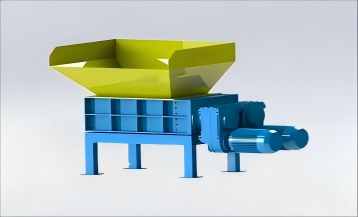
Our company’s dedicated rubber shredders feature wear-resistant alloy blades, intelligent control systems, and modular components for easy maintenance. From single-shaft to dual-shaft designs, we offer solutions tailored to various rubber materials and recycling capacities.
Conclusion
As the global demand for sustainable waste management increases, shredding technology is becoming a cornerstone in rubber waste recycling. By turning rubber waste into reusable materials or alternative fuel sources, shredders not only help reduce environmental pollution but also create value from waste. Our mission is to support industries in building a circular economy—starting with smarter, cleaner, and more efficient shredding solutions.